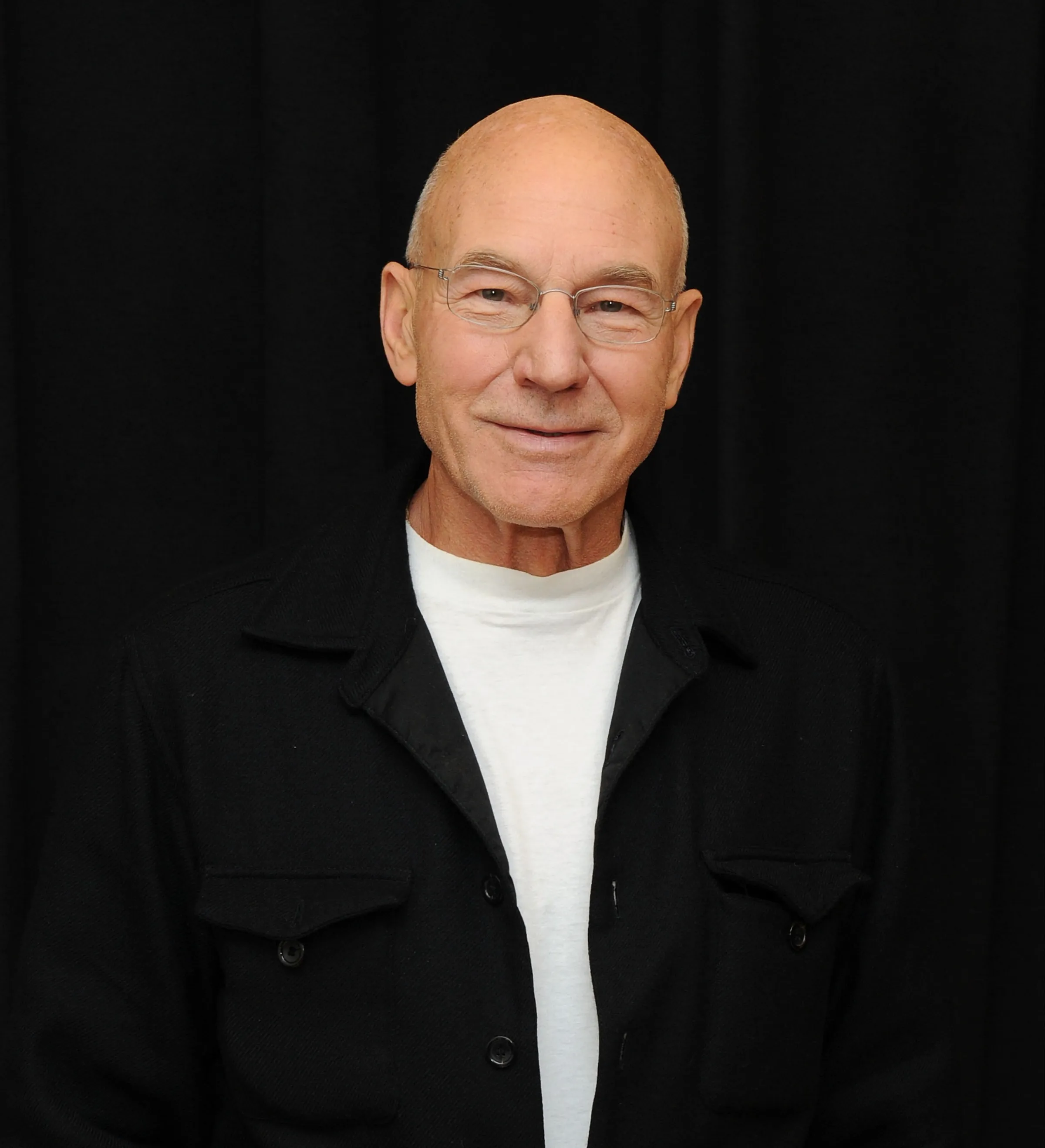
Sir Patrick Stewart, who has died aged 86, was one of the last of a generation of actors who trained on the British stage, worked there diligently for decades and only in middle age found international fame in film and television.
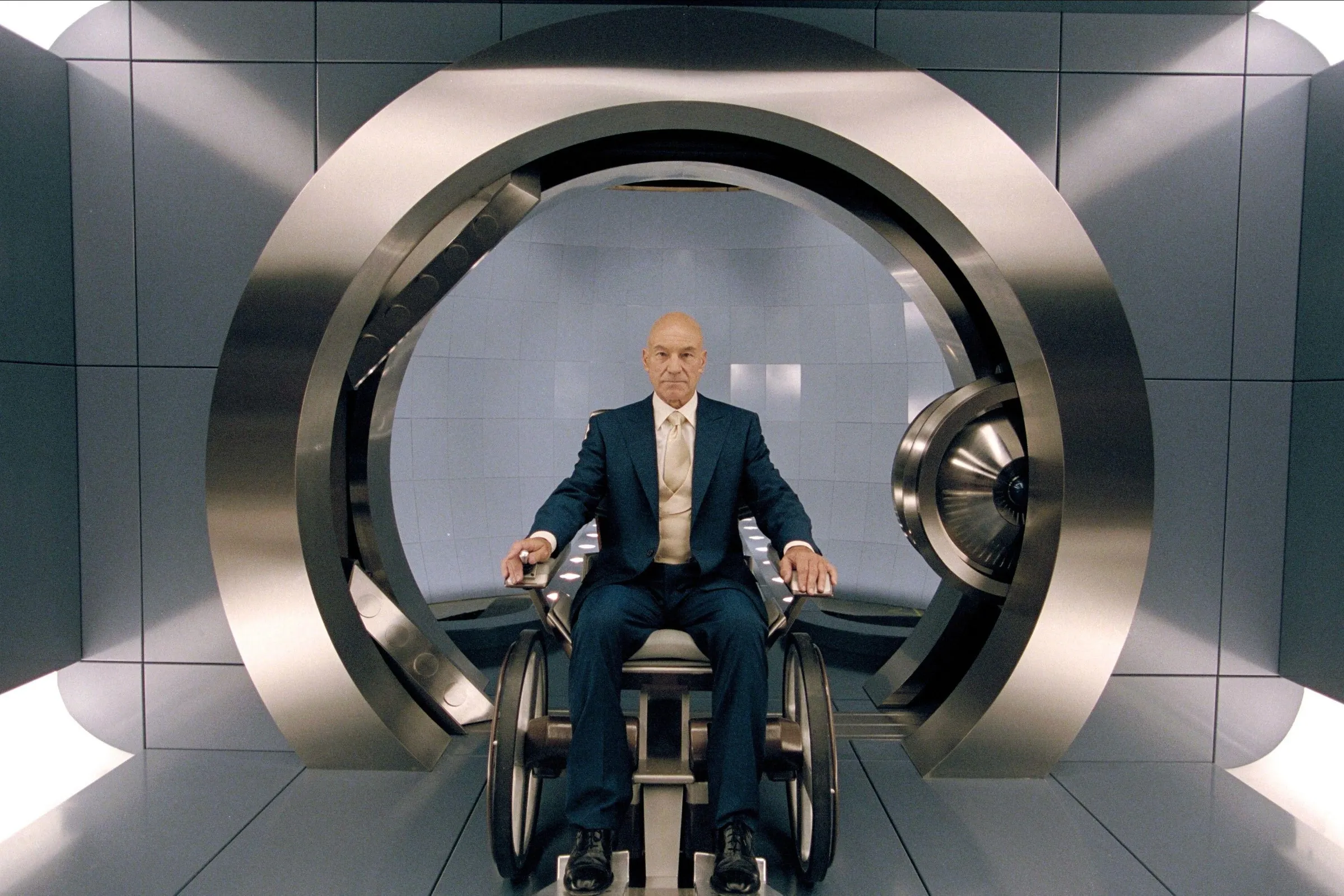
For Stewart, that fame came most enduringly from his role as Jean-Luc Picard, the noble captain of the USS Enterprise in Star Trek: The Next Generation, and was bolstered in 2000 by his performance as Professor Charles Xavier, telepathic leader of the superhero mutants in the X-Men films.
He was unbothered by the snobbery of those who saw this as beneath the dignity of a Shakespearean actor, saying in 2003: “For huge numbers of people, I will always be Jean-Luc Picard, and that’s fine. I really believe we created an admirable individual.” And he remained loyal to the roles, reprising Picard in subsequent films and TV series up until 2023, and returning to Professor X repeatedly, including in the upcoming blockbuster Avengers: Doomsday.
Stewart never forgot the distance travelled from the two-roomed house in Mirfield, West Yorkshire where he was born in 1940. His family had very little money, the house no indoor bathroom. Poverty turned him into a lifelong socialist, and he frequently campaigned for the Labour Party.
His mother worked as a weaver and his father, after a distinguished wartime career in the British Army Parachute Regiment, took a series of menial jobs. That precipitous loss of dignity, Stewart suggested, fed into his father’s violent temperament. In later life, Stewart spoke often about the domestic abuse his mother endured, and how as a small boy he would try to protect her.
It was English teacher Cecil Dormand who introduced 12-year-old Stewart to Shakespeare, telling him to read the part of Shylock out loud in class. He was enthralled, and Mirfield was the perfect place to test his nascent interest: the town had at least seven amateur dramatic societies. The stage became an escape: “The moment I left the wings and walked onstage I felt wonderfully secure,” he later told the BBC. “I felt as if nothing bad could happen to me on stage.”
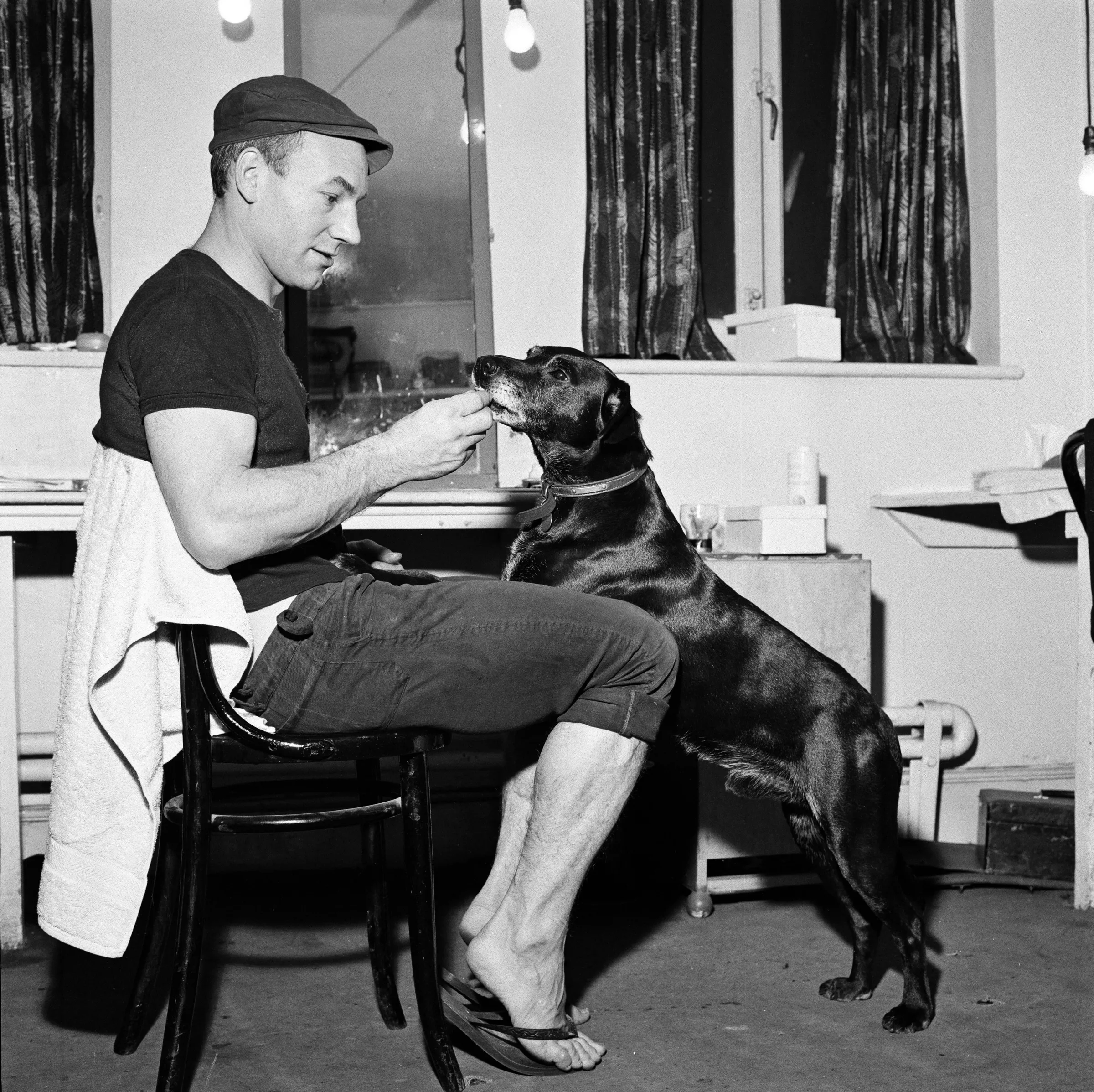
After short stints on a local newspaper and as a furniture salesman, he won a grant to study at Bristol Old Vic Theatre School. During his two years there he lost not only his strong Yorkshire accent, but also much of his hair. Although initially devastated, he soon realised the advantage: “I was a wigmaker’s ideal, a tabula rasa for all manner of hairstyle experiments.”
He made his professional debut in Treasure Island at the Theatre Royal, Lincoln in 1959, kicking off years of repertory theatre. In 1966 he fulfilled his “ultimate ambition” of joining the Royal Shakespeare Company, where he stayed for 16 years, performing in some of the most acclaimed theatre productions of all time, including Peter Brook’s A Midsummer Night’s Dream in 1971.
Television called in the mid-1970s: KGB ringmaster Karla in Tinker, Tailor, Soldier, Spy; the villainous Sejanus in I, Claudius. Then came film. Stewart was spotted by director David Lynch while performing in Henry IV. The raggedy, long-haired, middle-aged man Lynch saw on stage was perfect for his sci-fi film Dune (1984). When Stewart turned up to set, Lynch was dismayed to see a young, bald man in front of him. Dune was poorly received, and Stewart was “not proud of my performance” as Gurney Halleck.
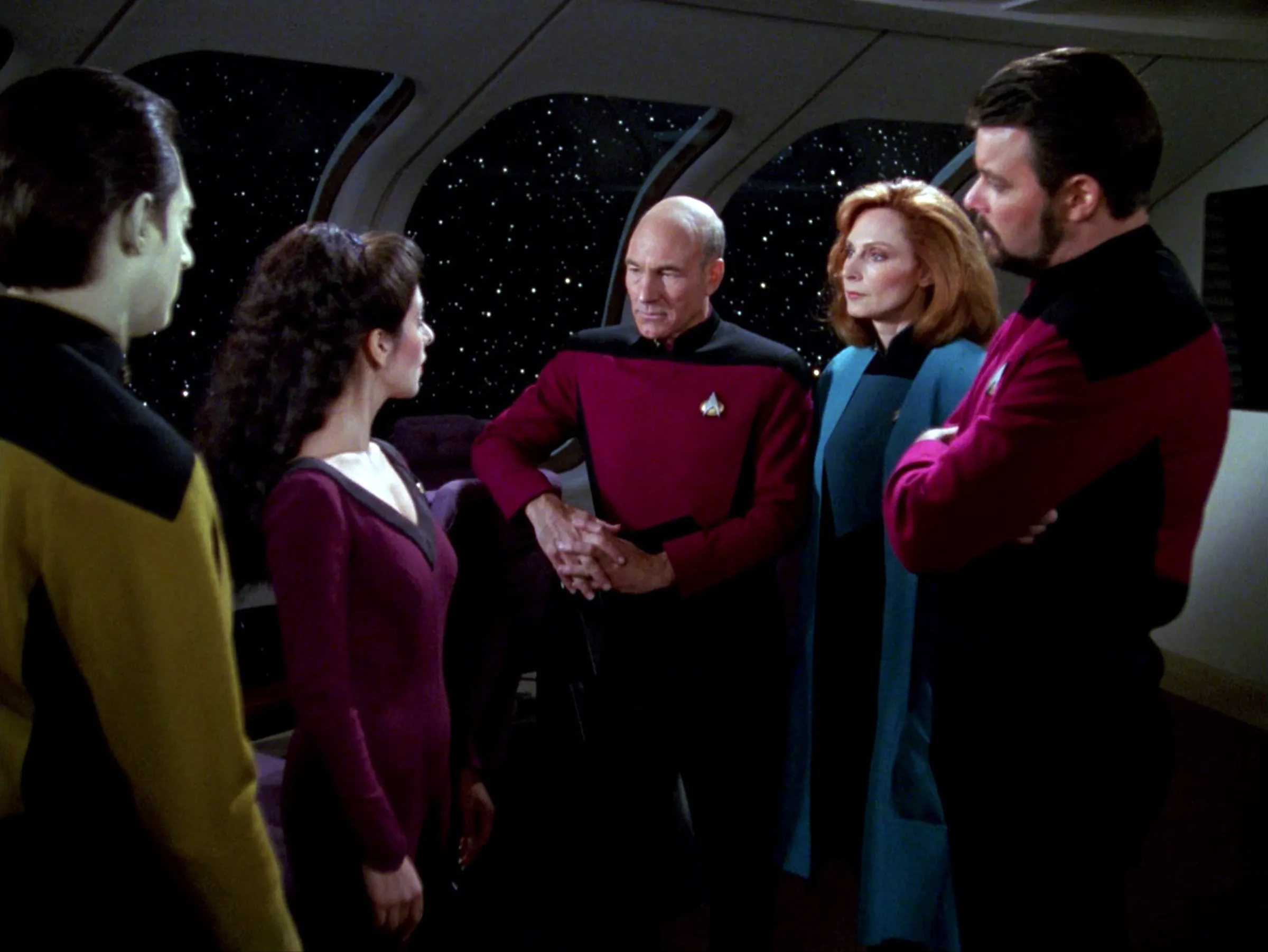
But the next sci-fi role, three years later, made him an international star. When offered the role of Captain Picard in a sequel series to Star Trek, agents and friends told him not to worry about the six-year contract; The Next Generation would not make it past one season. “Make some money for the first time in your life,” he told himself, “get a suntan. Go home.” He was still playing the role 36 years later.
He brought the class and cadences of a Shakespearean king to the captain’s chair, dignified even when battling pink space bugs and spouting nonsense lines. He was even named sexiest man on television in 1992.
When The Next Generation ended, it took a while for Stewart to re-establish himself on stage. But this later career provided some of his best work: an acclaimed Macbeth in 2007, a return to Shylock in 2011, and the establishing of “my greatest bromance” with X-Men castmate and fellow Shakespearean Sir Ian McKellen. The pair’s West End run of Waiting for Godot was a landmark in theatre in 2009.
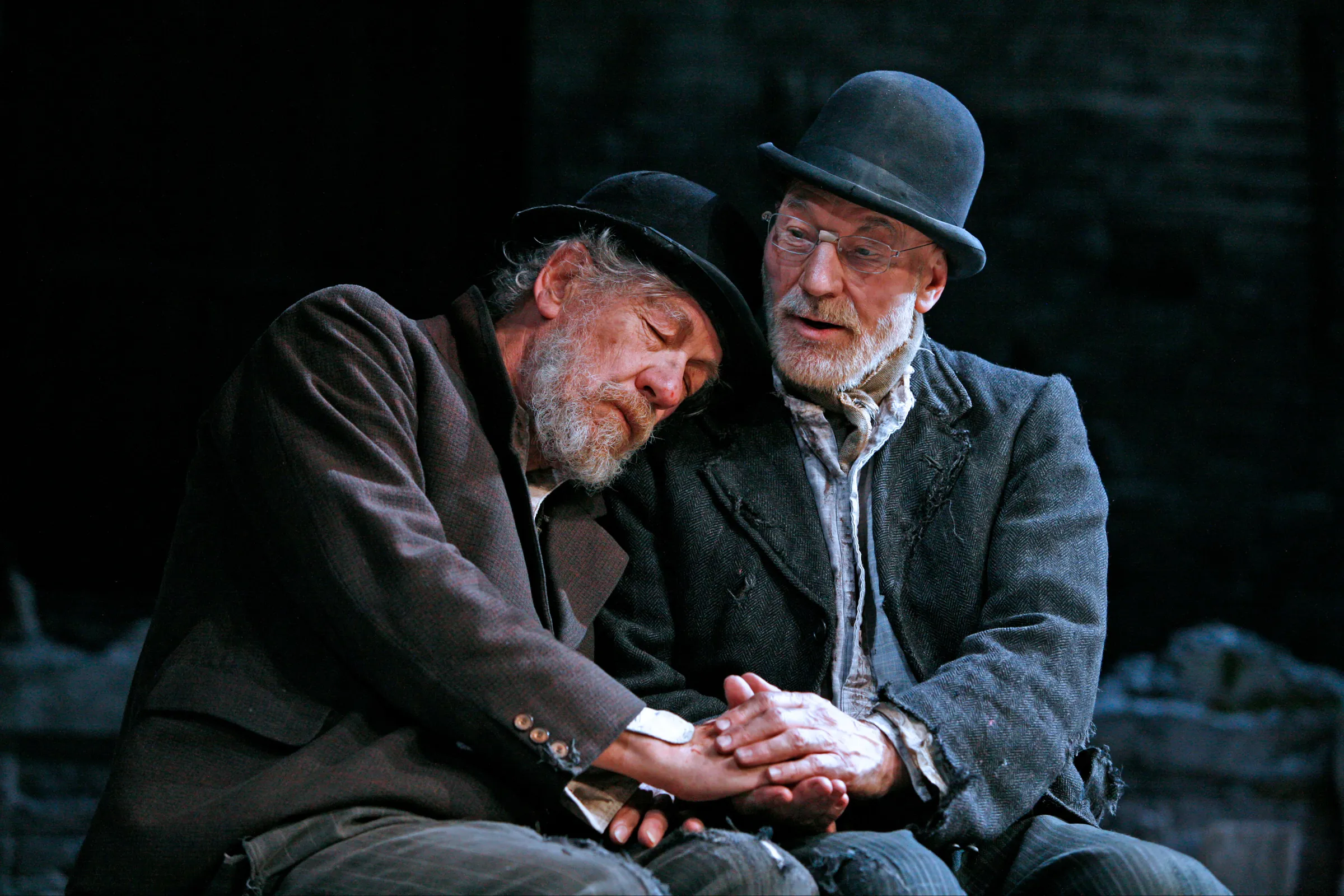
Stewart was twice divorced, calling those failed marriages “my greatest regret”. He married singer Sunny Ozell in 2013; she survives him, as do his two children. His other great loves were motorsports and Huddersfield Town Football Club. His accolades were many: a knighthood in 2010, a star on the Hollywood Walk of Fame, two Olivier Awards and a Grammy.
But through it all, Shakespeare remained the constant. During the Covid lockdowns, he performed a sonnet each day for social media and released a recording of all 154 earlier this year. “If he had not lived,” he said in 2012, “I would have been out of work for most of my life.”